- Methods
- Prototyping experiment
- Natural language processing
- Online survey
- Statistical analysis
- Tools
- Figma
- Python
- JMP
- Types
- Pilot study
- Course project
Crowdsourced vs Automated Social Media Privacy Suggestions
This project explores a simple question: Do people prefer automated privacy suggestions on social media? Or do they prefer crowdsourced suggestions from other users?
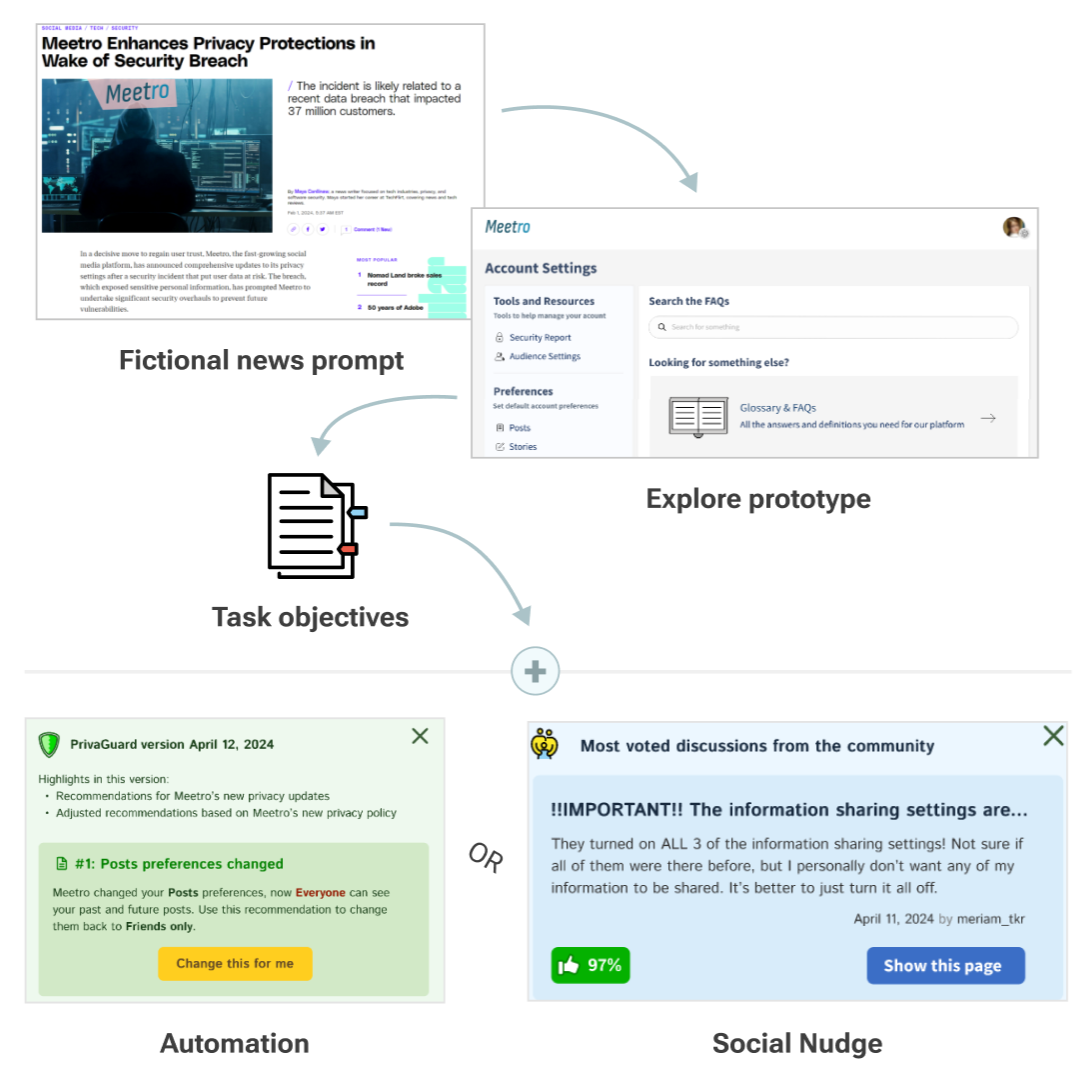
To answer this, I created a social media platform prototype and ran an experiment comparing the two scenarios. Results showed that people were more receptive of the crowdsourced suggestions, but felt more in control when given automated ones.
Read the full research poster here.
Natural Language Analysis: What Is r/privacy Talking About Adolescents?
The r/privacy Reddit community is where people go to discuss privacy issues. But just like members of any special-interest community, users who gather there aren't average people—most of them are very passionate about protecting their privacy.
Since part of my interest is understanding how privacy issues impact young people, I wrote a few Python scripts to analyze what the community was saying about them.
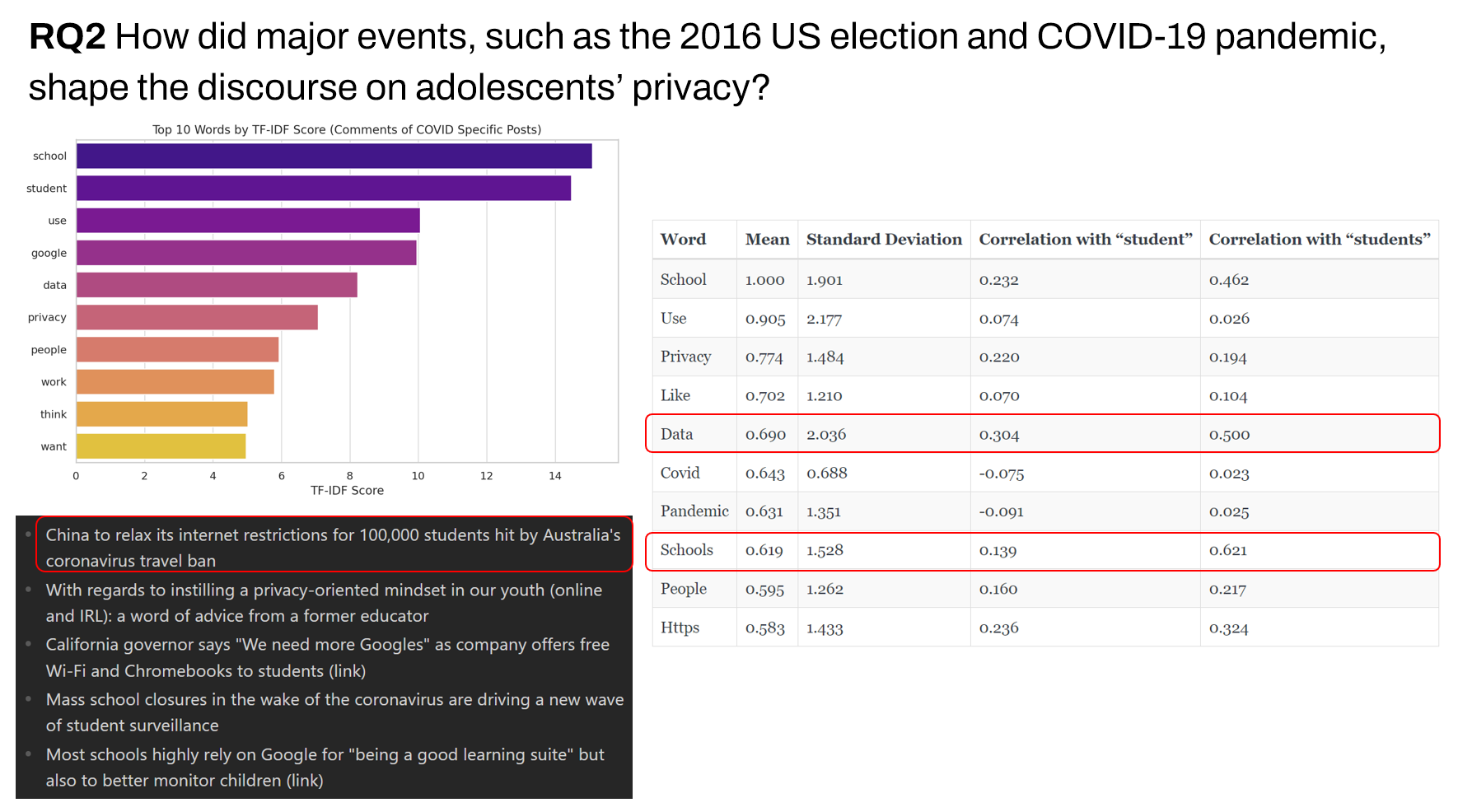
In short: Concerns about how major tech companies impact teen privacy have remained consistent over time, with growing attention to corporate surveillance and data practices. Since 2017, data-related topics have become more prominent. During the COVID-19 pandemic, privacy conversations shifted more toward student surveillance and data collection in schools.
Privacy Factors and Willingness to Adopt ChatGPT
With the popularity of generative AI tools on the rise, so are the privacy concerns surrounding commercial products like ChatGPT. My lab mate and I became interested in this phenomenon, so we ran a pilot survey study.
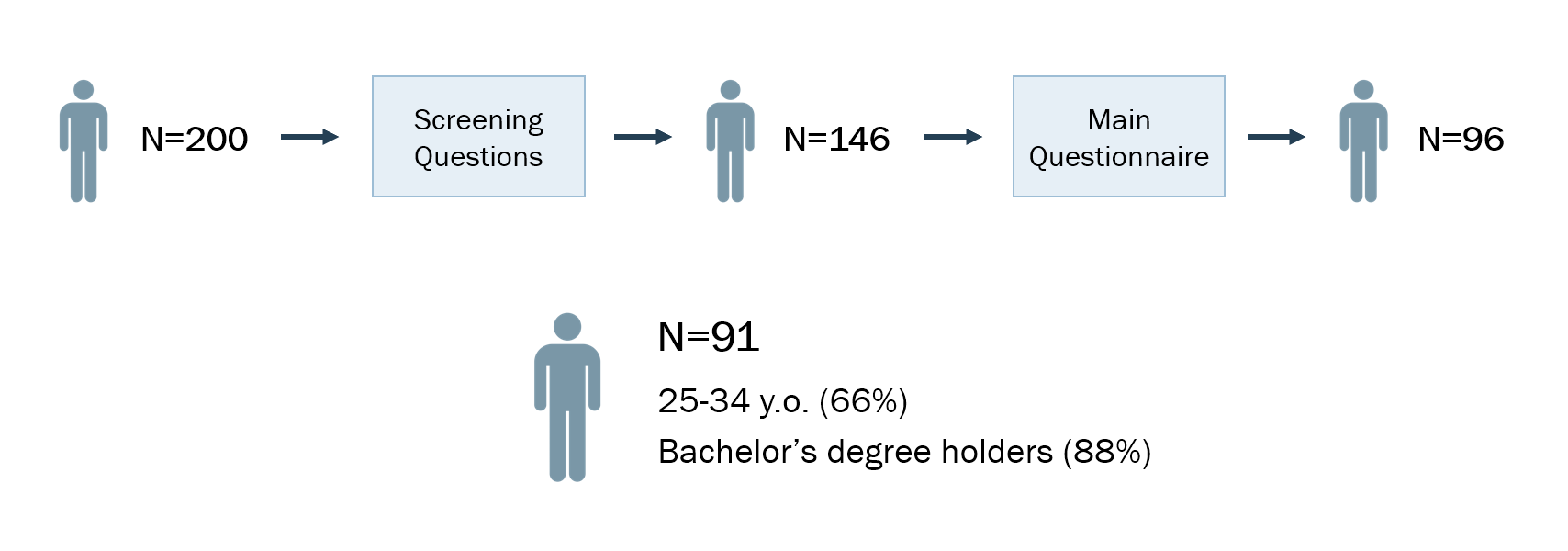

The verdict: People with a greater understanding and a higher sense of control over their privacy have stronger privacy attitudes… Therefore, people with better knowledge and a heightened sense of privacy may be more willing to adopt novel technologies like ChatGPT.
Why? Because they may feel more aware and are still in control.